
韻の種類と押韻パターンを、気楽に見てみよう
完全な韻と近い韻の違い、AABBやABABの読み方、11の押韻パターンを実際の詩と行末の色分けで紹介します。
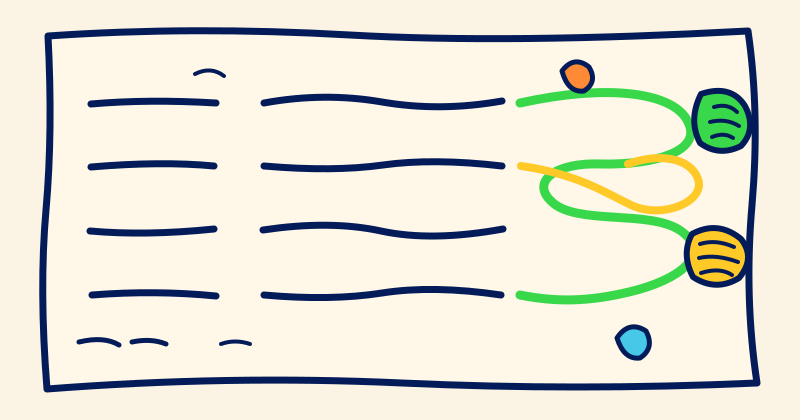
英語の night に light を合わせると、音がきれいに重なります。life なら少し近い響き。そこへ誰かが「ABAB」と書くと、急に宿題のように見えるかもしれません。
韻の種類は、どんな音がどこで響き合うか。押韻パターンは、どの行の終わりが響き合うかを表します。Aは一組目の音、Bは別の組。成績ではありません。Academy of American Poetsの用語集でも使われる表し方です。
型は無数に作れます。まずは、よく見かける11の形を見てみましょう。
どんな韻が聞こえる?
英語の 完全な韻 では、最後の強勢母音から後の音が一致します。night / light がその例。近い韻 なら night / life のように似ていても一致しません。つづりより発音が大切で、言語やアクセントでも変わります(Academyの説明)。ドイツ語の語や詩を聞いてもらった研究でも、音の近さや周りの詩句が「韻に聞こえるか」に関わっていました。
脚韻は行の終わり、行内韻は行の中などにあります。視覚韻は、英語の through / rough のように見た目が似ても音は違うもの(Poetry Foundation)。母音の反復や子音の反復でも、完全な韻でなくても響きを作れます。
英語の音韻論には、最後の強勢の位置などによる古い分類名もあります。ただし、英語の強勢と日本語の音の仕組みは同じではありません。ここでの英語の例を、日本語の詩へそのまま当てはめる必要はありません。
AやBの読み方
一行目と三行目が同じ音で終わるなら両方A、二行目と四行目が別の同じ音なら両方B。つまりABABです。下の例では、実際の詩の行末を文字と色で示しています。引用には作者名と出典へのリンクを添えました。日本語に訳すと韻が変わるため、英語やイタリア語の原文を使っています。長い例は、残りの行も開いて読めます。
AAAA:ずっと同じ韻
四行とも同じ音へ戻ります。図は簡単でも、書くと同じ言葉の繰り返しにならない工夫が要ります。
- AHe clasps the crag with crooked hands;
- AClose to the sun in lonely lands,
- ARing'd with the azure world, he stands.
この引用は3行なのでAAAです。同じ韻をさらに続けることもできます。
AABB:二行ずつの組
一行目と二行目、三行目と四行目がそれぞれ組になります。
- AI was angry with my friend.
- AI told my wrath, my wrath did end.
- BI was angry with my foe.
- BI told it not, my wrath did grow;
ABAB:交互に戻る
一行目の音が三行目に、二行目の音が四行目に戻ります。
- AShall I compare thee to a summer's day?
- BThou art more lovely and more temperate.
- ARough winds do shake the darling buds of May,
- BAnd summer's lease hath all too short a date.
temperate / dateは歴史的な韻です。現在の一般的な発音では、語尾の音は完全には一致しません。
ABBA:外側で包む
最初と最後がA、間の二行がB。かっこで包むような形です。
- AWhen I consider how my light is spent
- BEre half my days, in this dark world and wide.
- BAnd that one talent which is death to hide,
- ALodg'd with me useless, though my soul more bent
ABCB:偶数行だけ
AとCはこの連では戻らず、二行目と四行目だけがBで韻を踏みます。英語圏のバラッドにも見られる形です(Academyの説明)。
- AIt is an ancient Mariner,
- BAnd he stoppeth one of three.
- C"By thy long grey beard and glittering eye,
- BNow wherefore stopp'st thou me?
AABA:三度戻って、一度だけ寄り道
一、二、四行目はA、三行目だけB。Poetry Foundationが挙げる四行連の形の一つです。
- AAwake! for Morning in the Bowl of Night
- AHas flung the Stone that puts the Stars to Flight:
- BAnd Lo! the Hunter of the East has caught
- AThe Sultán's Turret in a Noose of Light.
詩形と結びつく型
リメリック:AABBA
五行のうち、最初の二行と最後がA、真ん中の二行がB。軽快なリズムやおかしみも大切なので、文字を並べただけではリメリックになりません(Academy)。
- AThere was an Old Man with a beard,
- AWho sat on a horse when he reared;
- BBut they said, "Never mind!
- BYou will fall off behind,
- AYou propitious Old Man with a beard!"
テルツァ・リーマ:ABA BCB CDC…
三行連の真ん中の韻が、次の三行連の外側の韻になります。前の組から次の組へ、鎖のように続きます(Academy)。
- ANel mezzo del cammin di nostra vita
- Bmi ritrovai per una selva oscura,
- Aché la diritta via era smarrita.
- BAhi quanto a dir qual era è cosa dura
- Cesta selva selvaggia e aspra e forte
- Bche nel pensier rinova la paura!
残りの行を読む
- CTant’è amara che poco è più morte;
- Dma per trattar del ben ch’i’ vi trovai,
- Cdirò de l’altre cose ch’i’ v’ ho scorte.
ソネットの三つの形
伝統的なソネットは14行。シェイクスピア式は ABAB CDCD EFEF GG。三つの四行連を、最後の二行が締めます。
- AShall I compare thee to a summer's day?
- BThou art more lovely and more temperate.
- ARough winds do shake the darling buds of May,
- BAnd summer's lease hath all too short a date.
残りの行を読む
- CSometime too hot the eye of heaven shines,
- DAnd often is his gold complexion dimm'd;
- CAnd every fair from fair sometime declines,
- DBy chance or nature's changing course untrimm'd;
- EBut thy eternal summer shall not fade
- FNor lose possession of that fair thou ow'st;
- ENor shall Death brag thou wander'st in his shade,
- FWhen in eternal lines to time thou grow'st:
- GSo long as men can breathe or eyes can see,
- GSo long lives this, and this gives life to thee.
temperate / dateは歴史的な韻です。現在の一般的な発音では、語尾の音は完全には一致しません。
ペトラルカ式は ABBA ABBA から始まります。後半六行には複数の形があり、CDE CDE はその一つ。八行目と九行目の間で考えが転じることがあります。
- AWhen I consider how my light is spent
- BEre half my days, in this dark world and wide.
- BAnd that one talent which is death to hide,
- ALodg'd with me useless, though my soul more bent
残りの行を読む
- ATo serve therewith my Maker, and present
- BMy true account, lest He, returning, chide;
- BDoth God exact day-labour, light denied?
- AI fondly ask: but Patience, to prevent
- CThat murmur, soon replies, God doth not need
- DEither man's work, or His own gifts; who best
- EBear His mild yoke, they serve Him best; His state
- CIs kingly; thousands at His bidding speed,
- DAnd post o'er land and ocean without rest;
- EThey also serve who only stand and wait.
スペンサー式は ABAB BCBC CDCD EE。四行連の韻が次の連につながります。いずれもAcademyのソネット解説で確認できます。
- AOne day I wrote her name upon the strand,
- BBut came the waves and washed it away:
- AAgain I wrote it with a second hand,
- BBut came the tide, and made my pains his prey.
残りの行を読む
- B"Vain man," said she, "that dost in vain assay,
- CA mortal thing so to immortalize;
- BFor I myself shall like to this decay,
- CAnd eke my name be wiped out likewise."
- C"Not so," (quod I) "let baser things devise
- DTo die in dust, but you shall live by fame:
- CMy verse your vertues rare shall eternize,
- DAnd in the heavens write your glorious name:
- EWhere whenas death shall all the world subdue,
- EOur love shall live, and later life renew."
ほかにも詩形はたくさんあります。この11の例は入口です。
定規を置いて、書いてみよう
AABBやABABを覚えても、Rhymaで自分の番が来たら、見えるのは直前の一行だけ。先に書いた人たちが使った韻は、まだ隠れています。見える行に合わせて韻を踏んでも、踏まなくても大丈夫。最後に全体を読んだときの意外な響きを楽しんでください。Google PlayでRhymaを試す。
自分たちで全体を見ながら詩形を整えたいなら、オンラインで一緒に書く方法や共同詩のゲームもどうぞ。